eMES
Economic Manufacturing Execution System
0%
0%
Quick Work
0%
0%
Order Progress
0%
0%
Mold management
30%
30%
Work Order
30%
30%
Equipment Utilization
30%
30%
Equipment Inspection
34%
34%
Production QA
40%
40%
Check QA
43%
43%
Work Reporting
Summary of Functional Fit for Core Features.
In the B2B, that’s prioritize functional precision to ensure our solutions don't just work, they deliver.
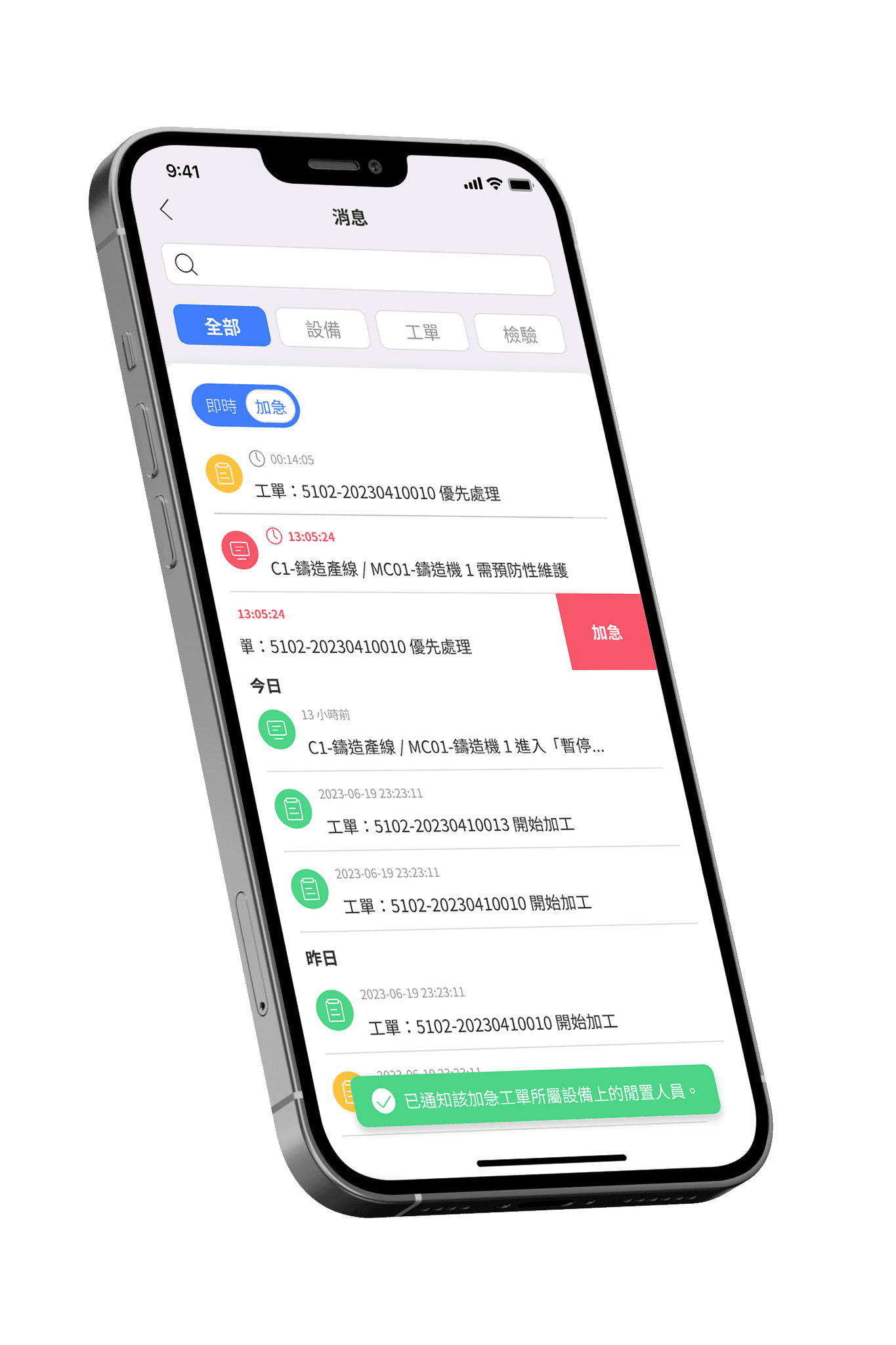
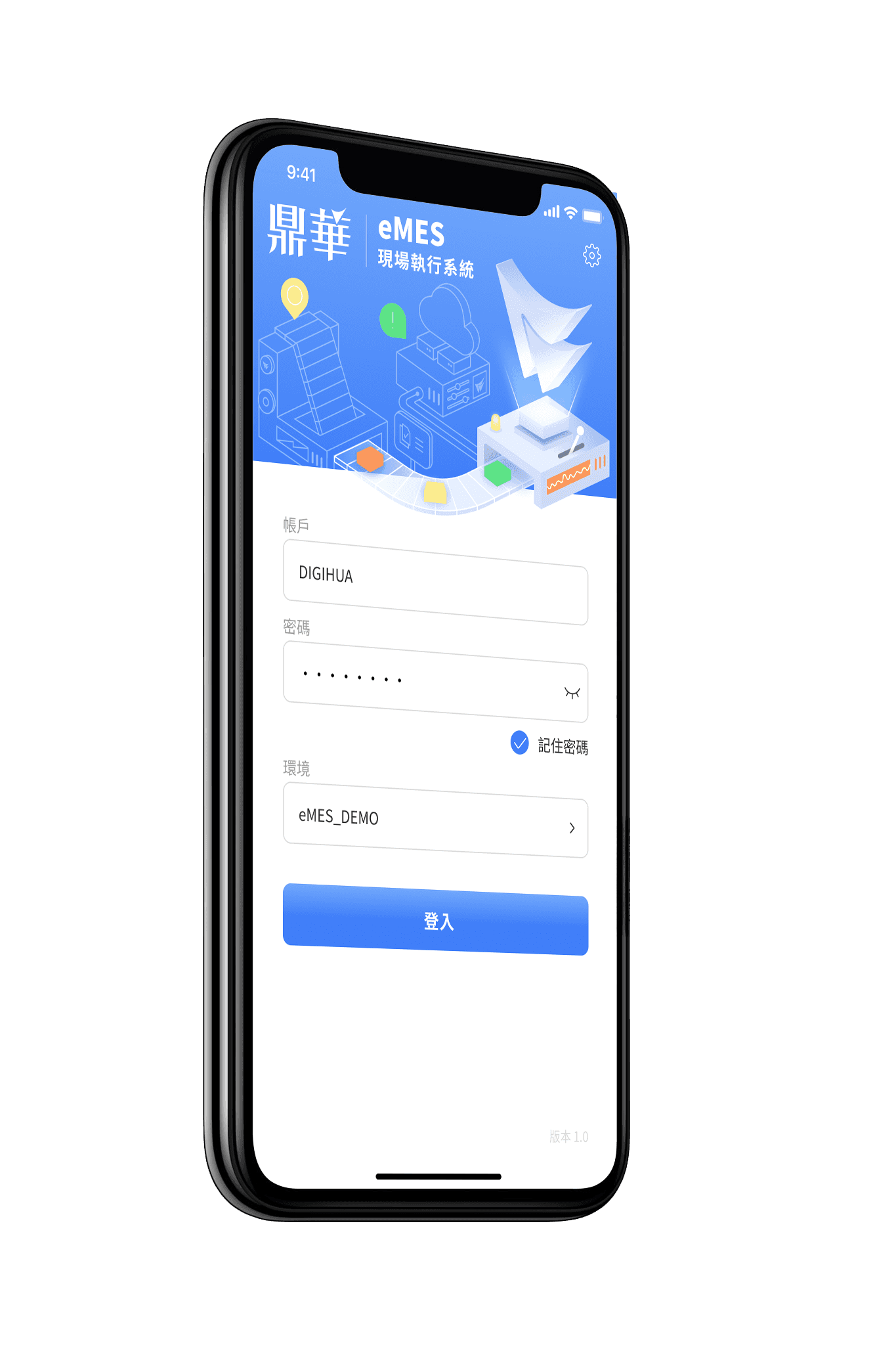
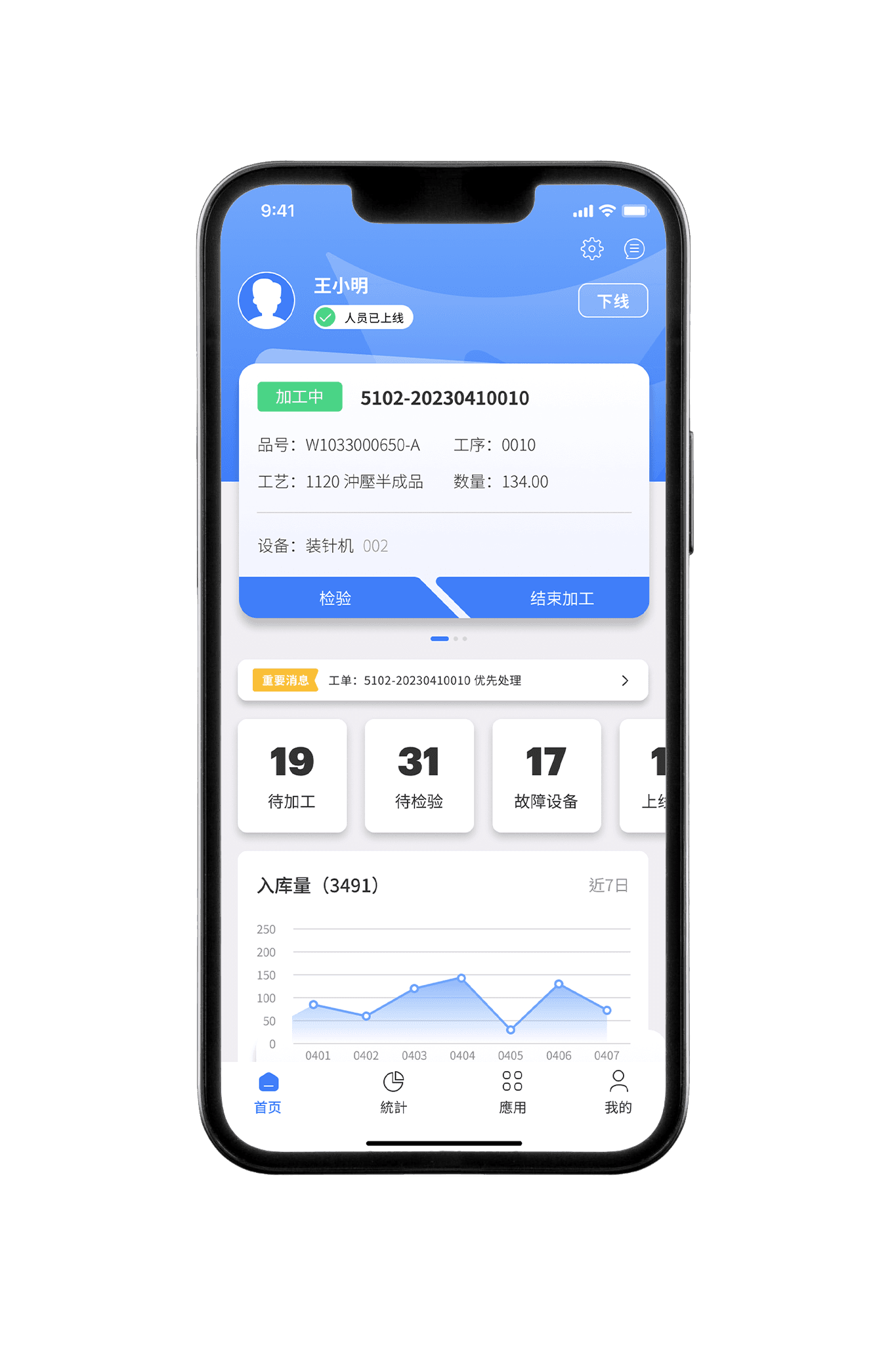
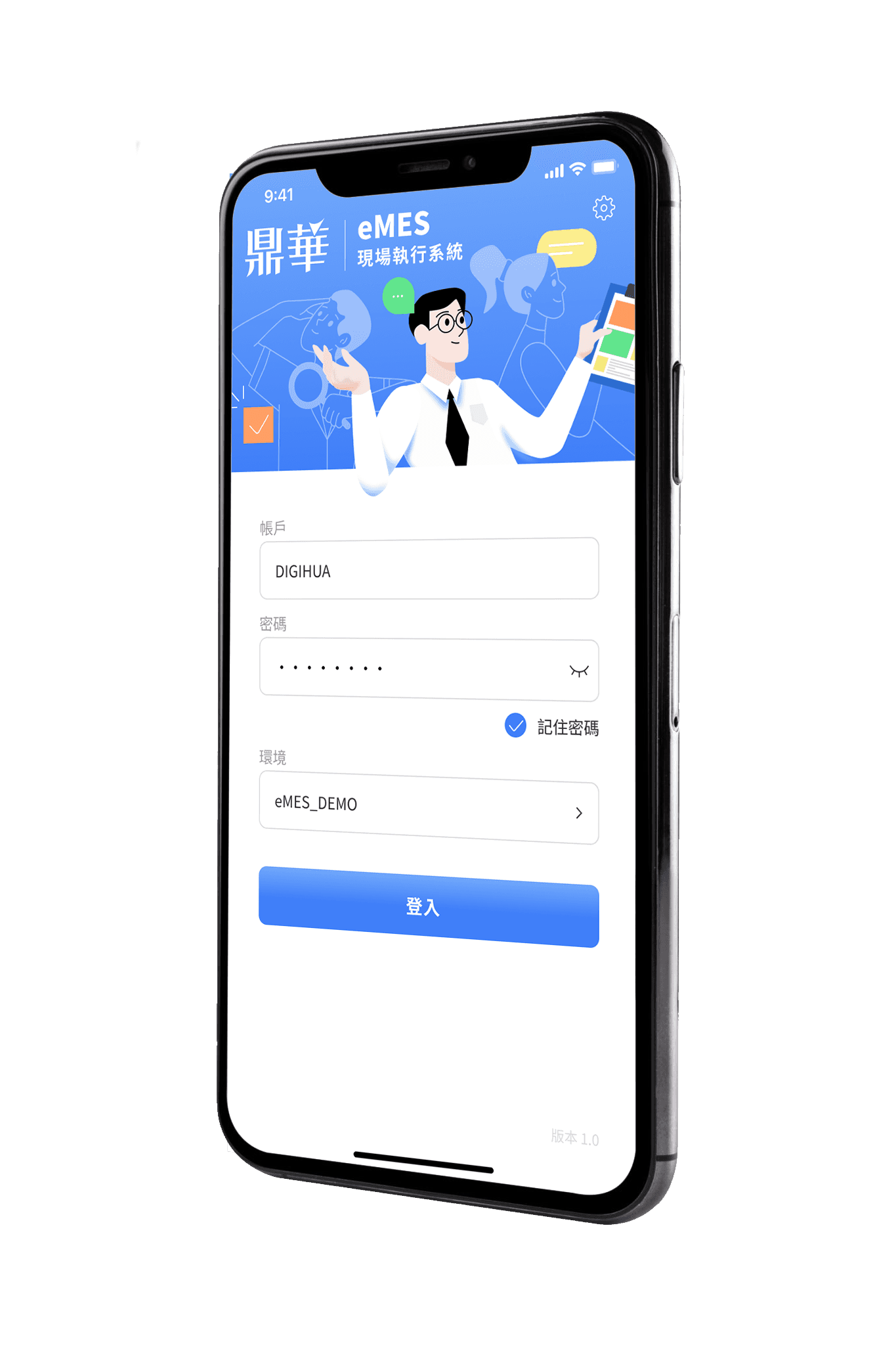
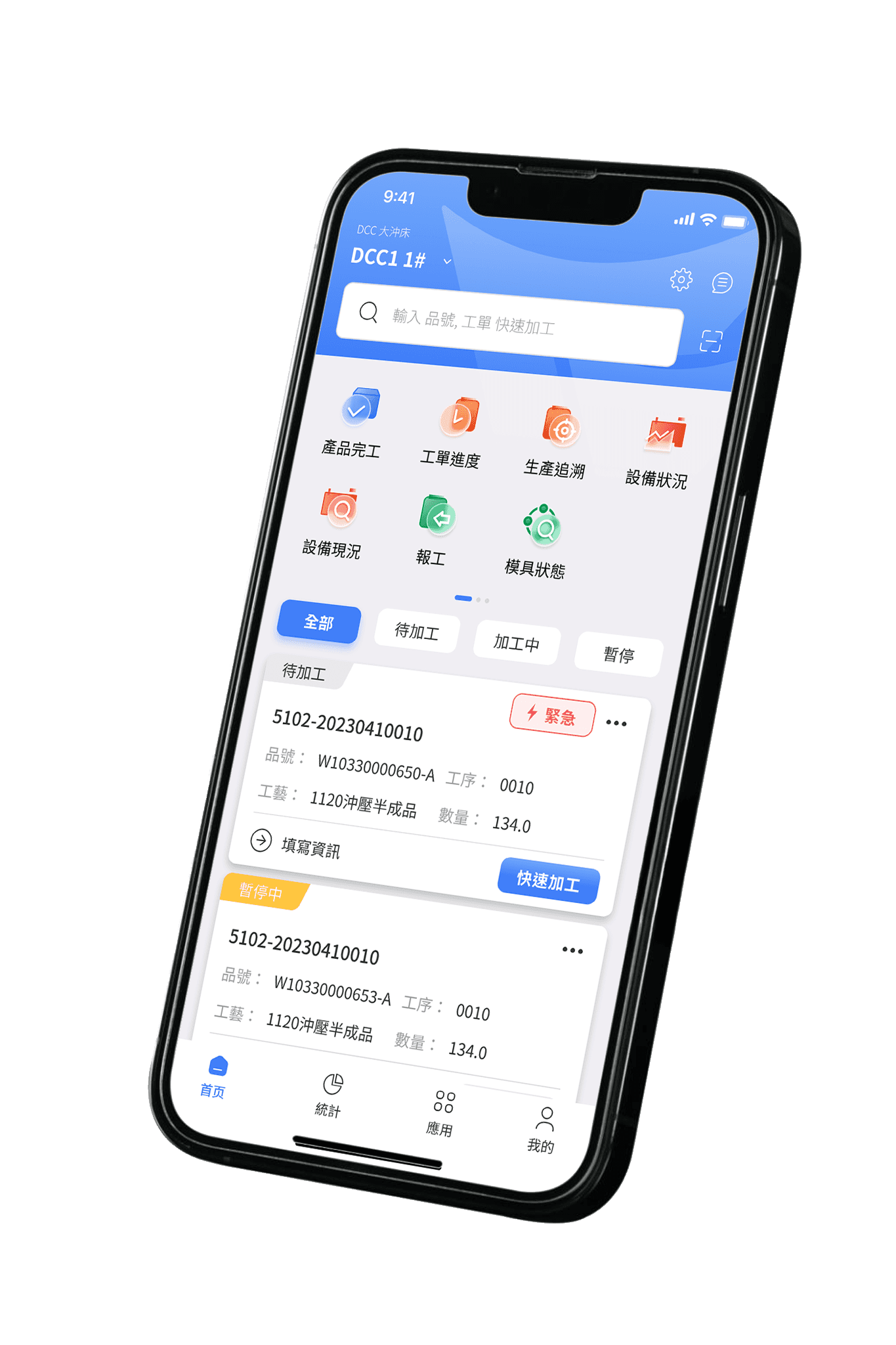
Overviews
In 2023, the company began to focus on the Southeast Asian market, and as the design team lead, I had the opportunity to be involved from the very beginning of both the product and market journey. It's an initiative centered on small and medium-sized manufacturers, gaining firsthand insight into diverse operational contexts and real-world constraints.
Driven by geopolitical shifts, many manufacturers were relocating their operations to Southeast Asia. This transition allowed me to work closely with colleagues and customers across different countries, pushing me beyond comfort zone. I am deeply grateful to Digihua for this opportunity, which significantly broadened my perspective and shaped professional growth.
Industry
Manufacturing, B2B
Duration
Jun 2023 - May 2024
Role
PM, Product Designer
Responsibility
Product operations and design
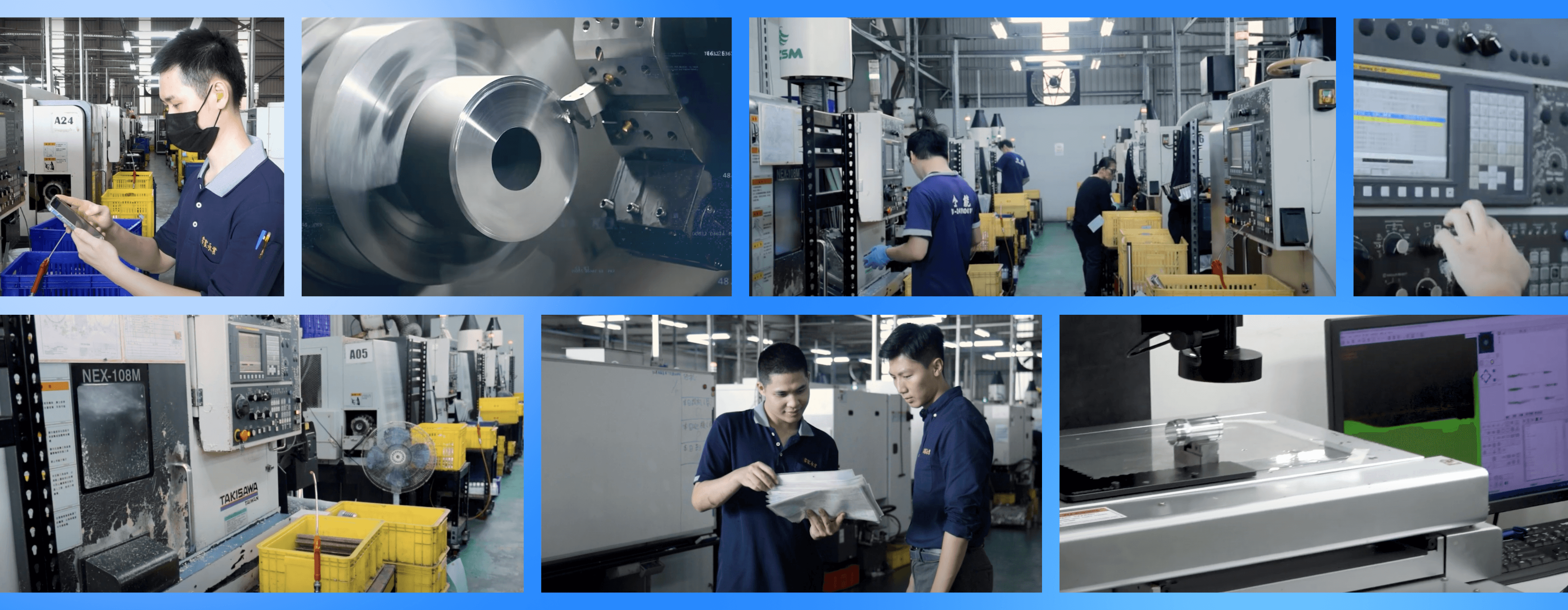
Imagine managing an entire factory from a single smartphone, achieving full automation while ensuring every team member knows exactly what to do.
In this initiative, I acted as the bridge between product strategy and execution, dual-rolling as PM and Lead Designer. Through contextual inquiry and design kills, I translated complex factory workflows into a tiered app ecosystem, basic and professional editions. My work resulted 79% functional fit for core features, and two "Lighthouse Factories." , designed to scale with SME manufacturing needs.
What was the impact?
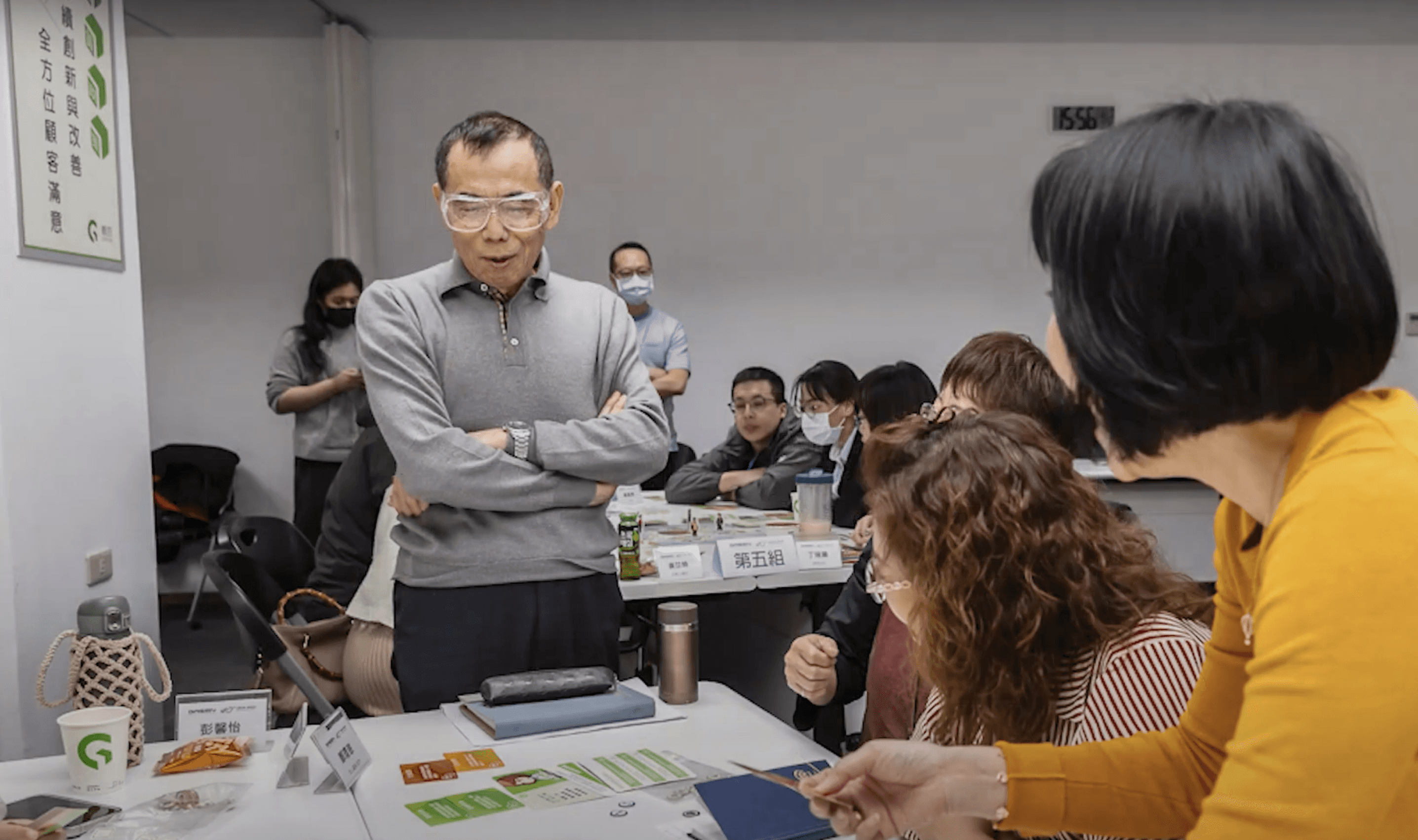
I conducted in-depth research on over 40 SMEs enterprises in Southeast Asian factories, and leveraged field observations and user interviews, to identify critical Moments of Truth (MOT) and completed the first Beta version within six months. Translated field insights into high-fidelity prototypes to align stakeholder expectations and validate user scenarios. By balancing commercial viability with user-centricity.
How did I approach it?
I took full ownership of the end-to-end product lifecycle, from refinement to the final launch. Guided by the MOTs, I streamlined sMES for integration into the eMES. My focus was on reducing interaction friction and enhancing the user's "Psychological Safety" through simplified task flows. I also restructured the IA to ensure seamless scalability for future iterative development.
What did I do?
In the initial phase of the SME market, PMF must be achieved within tight budget constraints to deliver immediate ROI, and establishing rapid "Lighthouse Success" is critical, as it serves as the benchmark for future client acquisition. We prioritized feature refinement to minimize the learning curve and maximize architectural flexibility for rapid iteration.
Why did I do this?
0
1
2
3
Loss Aversion precedes Gain Seeking
Key focus
Did you know that a single earthquake can put thousands of TSMC employees on high alert?
"Exceptions" are critical within the factory. Clients expect minimal disruption, as any anomaly triggers a cascade of sunk costs and threatens OTD.
How did I solve the problem?
I didn't wait for users to discover changes, we proactively guide them through real-time alerts and highlighted updates.
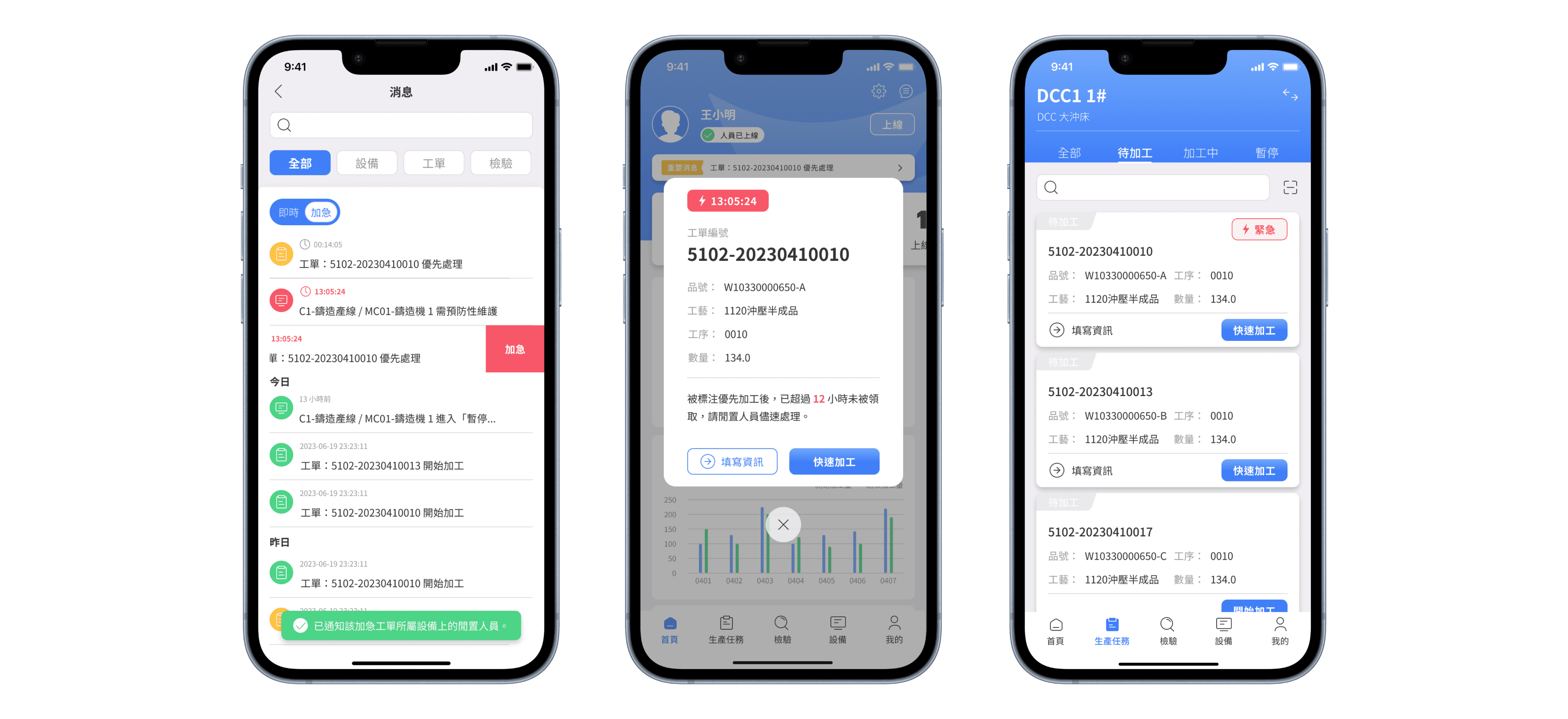
Why did I do this?
For Operators, alerts must be actionable, enabling instant problem identification and batch resolution to minimize friction. For Managers, Is the issue being handled? What is the root cause? These insights define operational efficiency.
No More Overheads
Key focus
Never mistake 2C metrics, like conversion or retention for 2B success.In 2B, software is often an imposed burden, usage isn't about preference, it's about mandate.
How did I solve the problem?
By implementing a card UI on the home screen, I translated complex workflows into glanceable actions, minimizing interaction steps while fulfilling primary user needs.
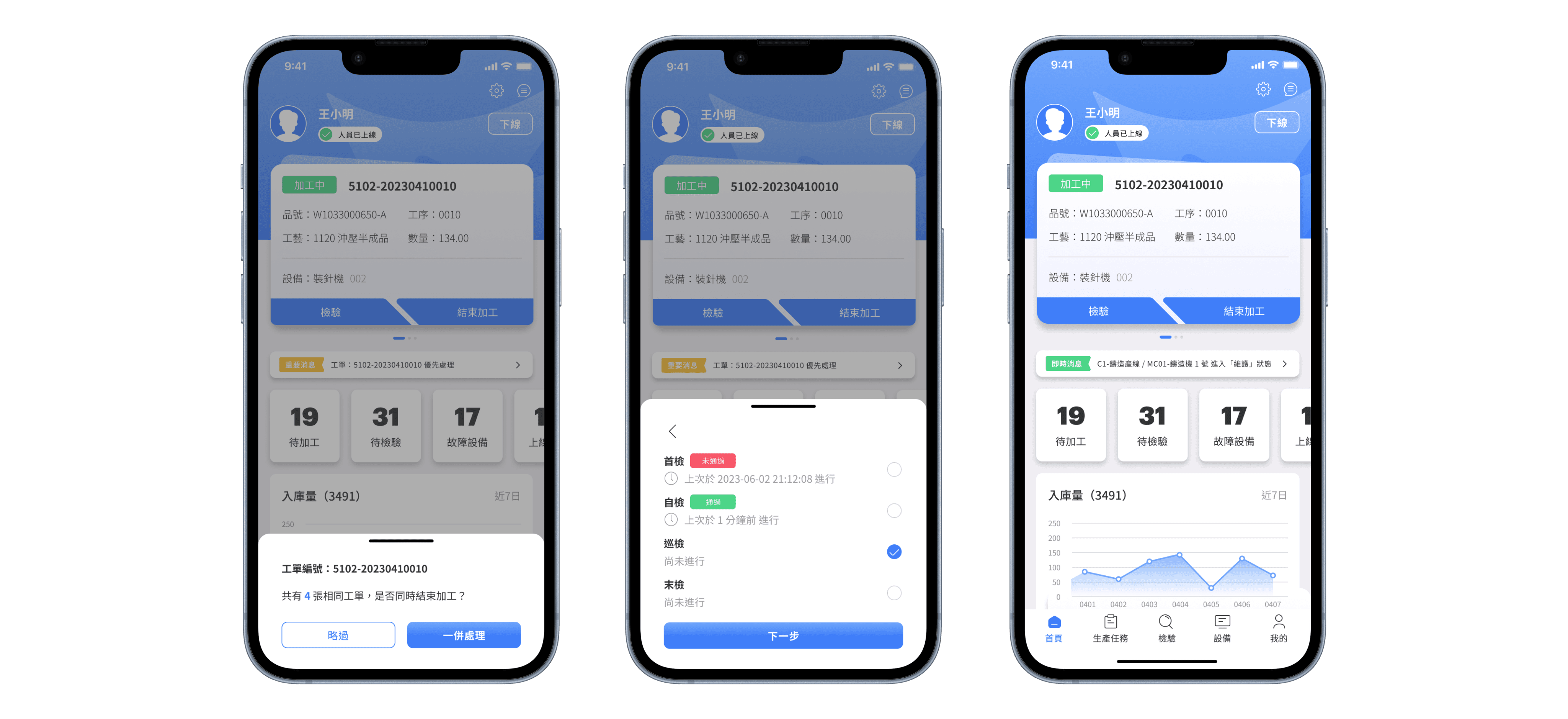
Role-Based Strategy
We customized card structures and content based on specific job functions, ensuring the interface feels as intuitive and personal as an ID card.
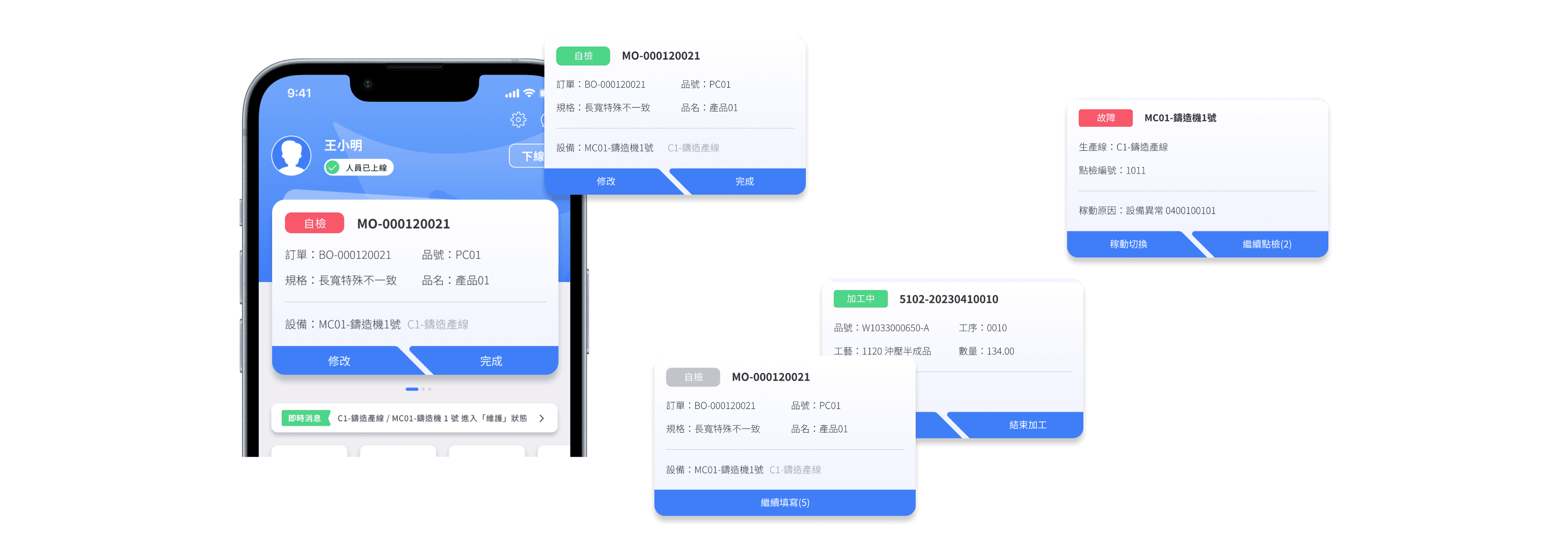
Why did I do this?
Process automation is the cornerstone of factory digital transformation, however, we must balance systemic complexity with "Cognitive Simplification."
While the data suggested success, the reality was...
Key focus
While on-site research in SE Asia involves high upfront costs, the hidden price of "Functional Mismatch" is far more catastrophic, leading to expensive rework and lost deals.
For "Exception Reason" function
Without being on site, we developed this feature from Taiwan, relying primarily on data-driven insights. Initially, we relied on A/B testing to dictate the UI for "Exception Reason" logging. However, despite the metrics, over 78% of users reported a poor experience.
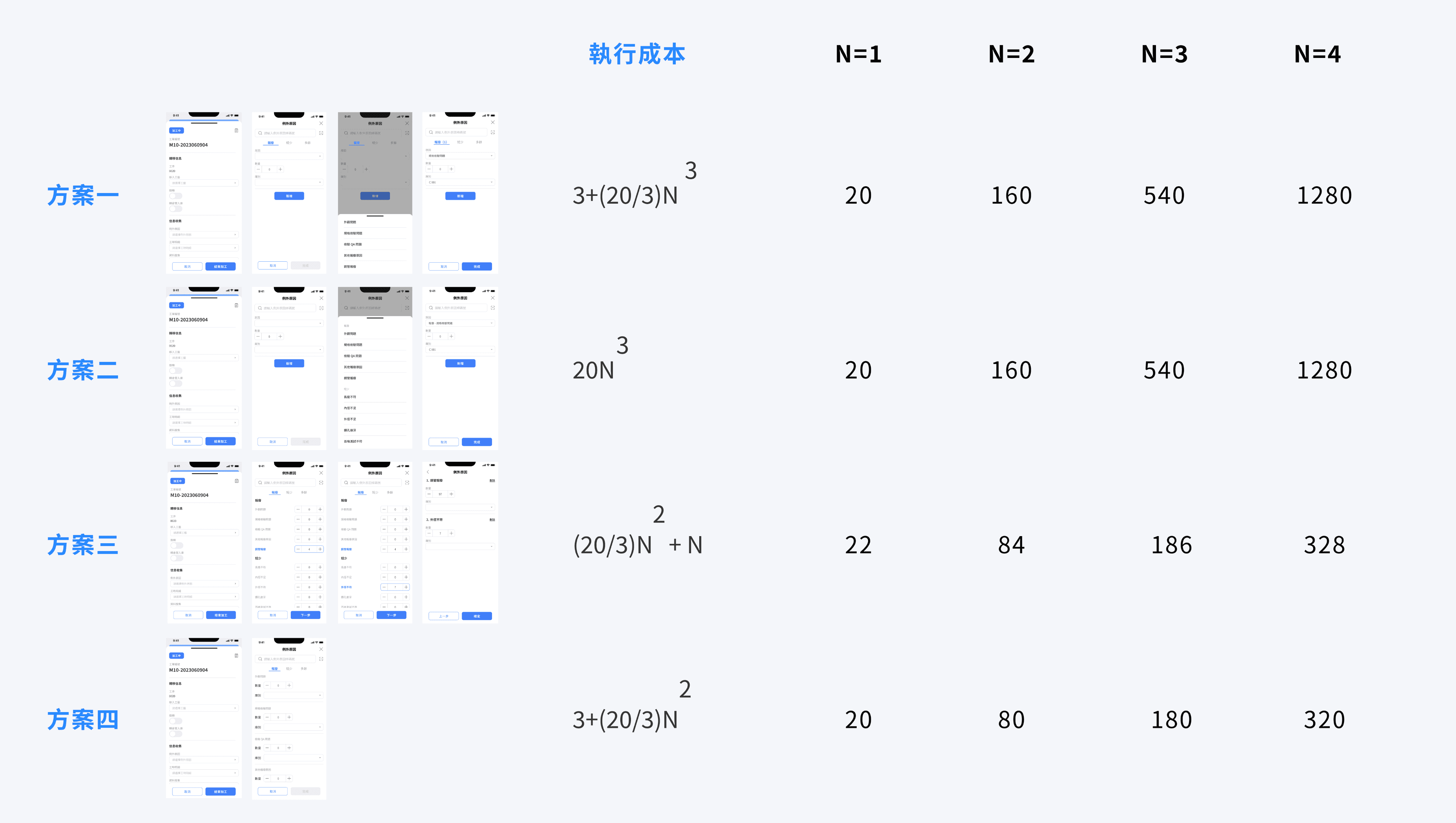
What is the problem?
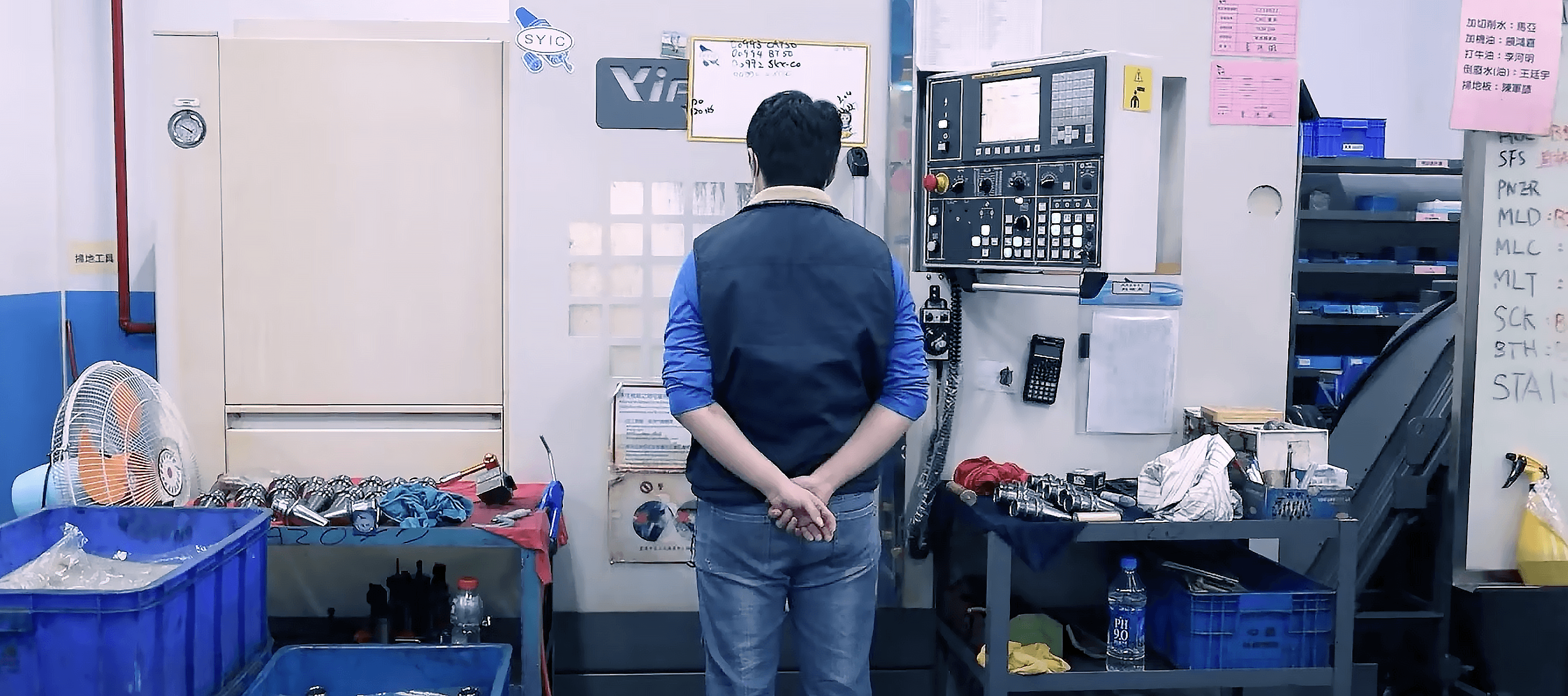
Our A/B tests failed because they optimized for speed, not psychological safety. Through onsite interviews, we uncovered three critical truths that redefined our eMES strategy:
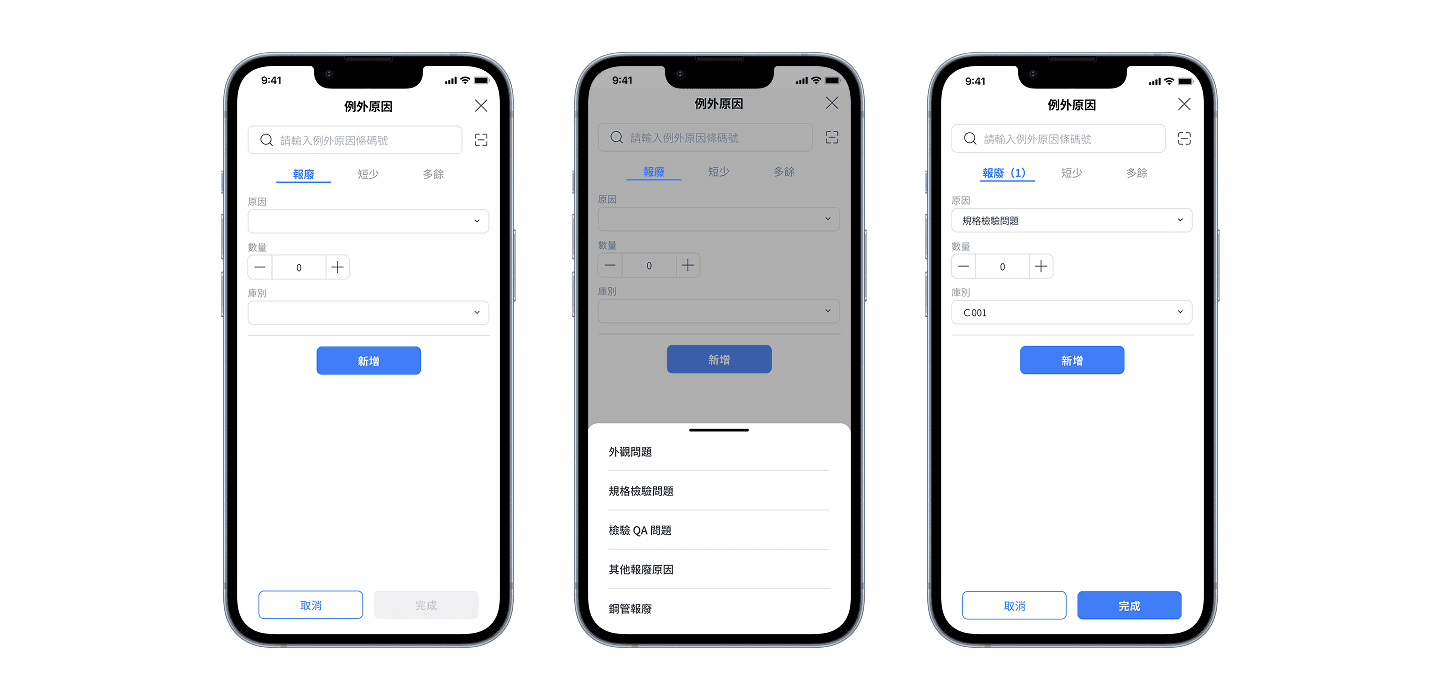
Psychological Factors: Users operate by "Intuitive Muscle Memory." Radical changes disrupt their flow, even if technically faster.
Information Visibility: In a high-stakes factory, silence is terrifying. Users need explicit feedback at every stage to feel in control.
Habitual Workflows: We discovered that certain "extra" steps aren't friction, they are "Validation Mechanisms." They provide the psychological safety net needed to ensure zero errors.
What did I learn?
01
Don't build in a vacuum.
Data is essential in the information age, but the true core lies in "Deep Insight."For industries like manufacturing, which demand deep vertical expertise and complex business context. Only through insight can we ask the right questions, connect the underlying factors, and make design a reality.
02
Constant Alignment
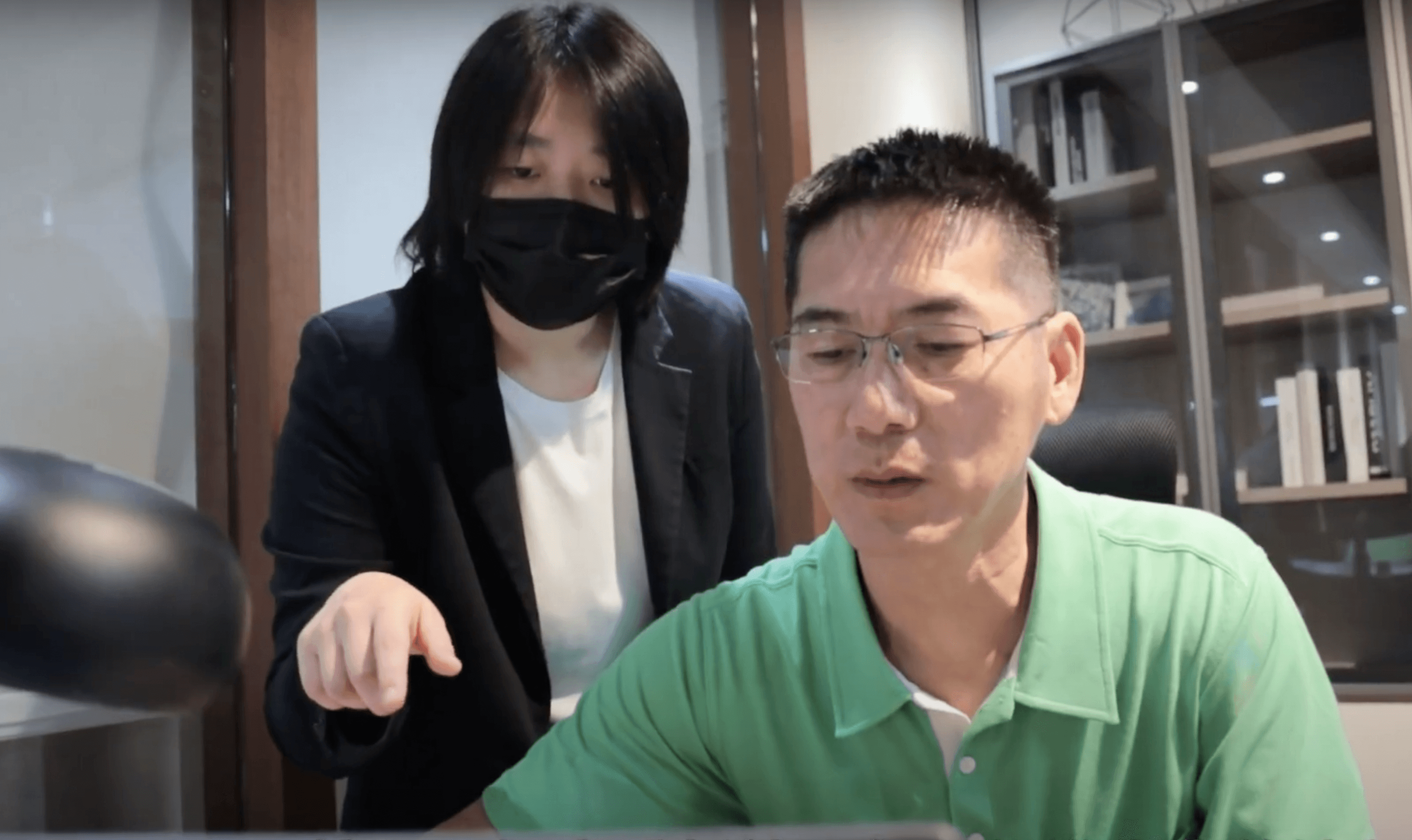
Bridging the gap between diverse regional cultures and our development team was essential. Designer must act as a bridge, translating onsite observations into shared team goals. Only when the team shares a unified vision of the user's reality can the design achieve successful implementation.
03
First-Mover Advantage
Iterative excellence over static perfection. Don't let perfection be the enemy of progress. Rapidly deploying an MVP for user validation is the most effective way to secure a strategic foothold in emerging sectors.
Please feel free to reference this website for more information on Digihua eMES. Unfortunately, I can't get into any more detail about the work I did at Digihua, as it is under NDA. If you would like to learn more, feel free to reach out to me at duke.lee.tw@gmail.com!