achieve operational efficiency
20%
20%
Internal Usage Rate
20%
20%
Effective Communication
54%
54%
NPS (Internal)
0%
0%
Development and Rework Efficiency
12%
12%
Sales Performance
39%
39%
NPS (External)
Internal Success
After implementing the design system, UI production time dropped significantly. This allowed the team to shift focus toward deep industry research and UX, while enabling more strategic business discussions and reducing development costs.
External Success
Despite the economic downturn in the Chinese market during 2023-2024, our sales continued to grow. A key factor was our design system's consistency, which enabled customers to quickly grasp new tools and confidently purchase additional products.

Overviews
DIGIHUA’s evolution through the merger of three distinct companies. Its core product suite, including MES, APS, and IIoT, originated from completely different technological and design legacies, it was a complete "UI/UX disaster".
Our NPS scores fell short of expectations, and deep-dive interviews revealed that inconsistent UI inflated learning costs and delivery timelines. Most critically, it caused enterprise clients to question our brand unity during upselling, as maintenance is their core purchasing driver in B2B.
Industry
Manufacturing, B2B
Duration
Nov 2020 - Mar 2023
Role
UX Mentorship
Responsibility
Strategy Blueprint and Delivery
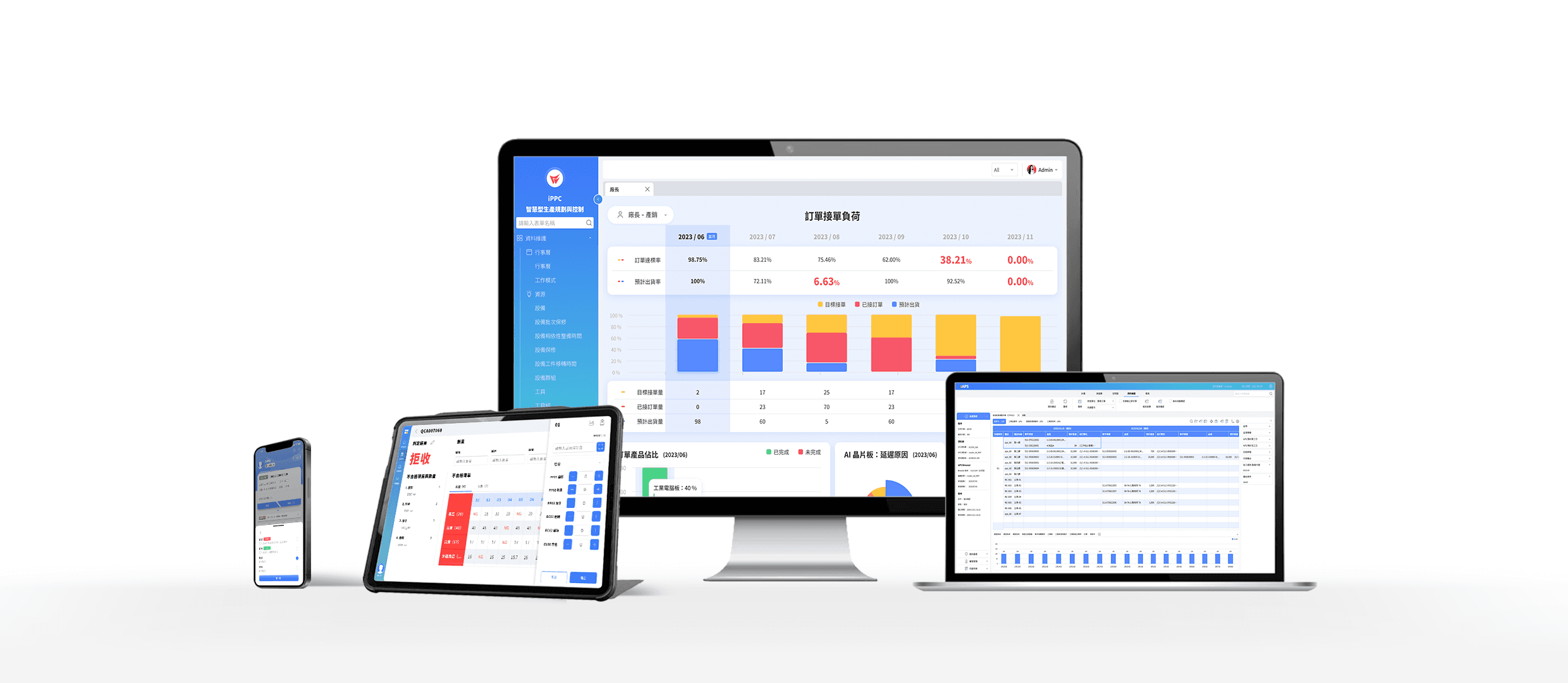
Imagine a system so intuitive that employees can master it through self-exploration, slashing consultant delivery time by more than half.
What was the impact?
40%
40%
Consistency
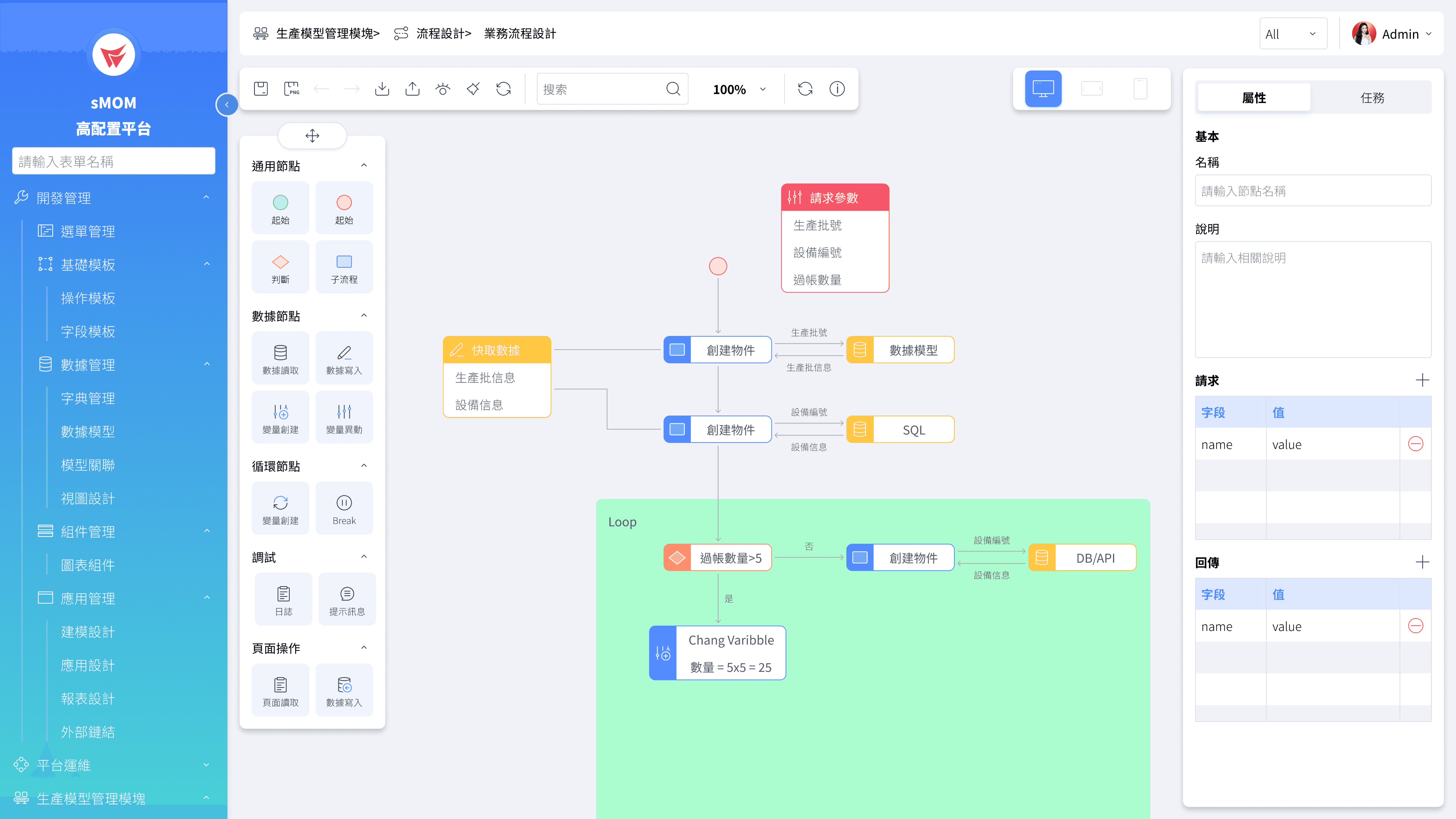
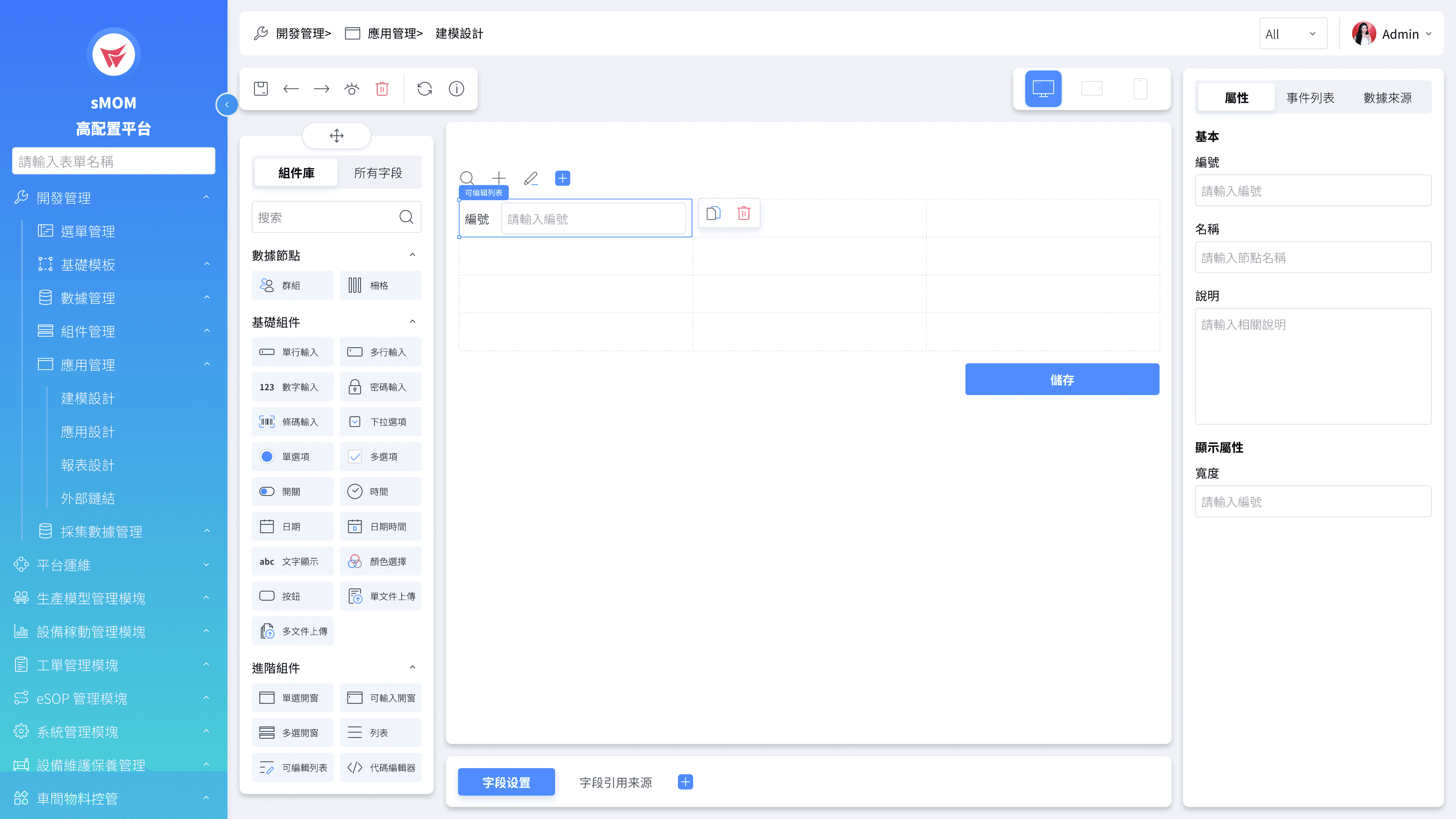
After the design system was launched, the company launched a "High-Configurability (Low-Code) Platform" in 2024. This enables industry experts to self-build workflows and functions tailored to their specific domain know-how, drastically reducing the cost and delivery time of traditional custom development.
By integrating our design guidelines directly into the High-Configurability Platform, we accelerated platform development and achieved a 75% consistency rate between user-configured functions and our core design standards.
How did I approach it?
Step 1
Brand Building
Our first priority was establishing a cohesive brand identity that aligns with the company’s vision and mission through continuous dialogue with senior leadership. Following this, we addressed the nuanced cultural and industry-specific differences across Taiwan, China, and Southeast Asia, which is our major market.
Step 2
Strategic Plan
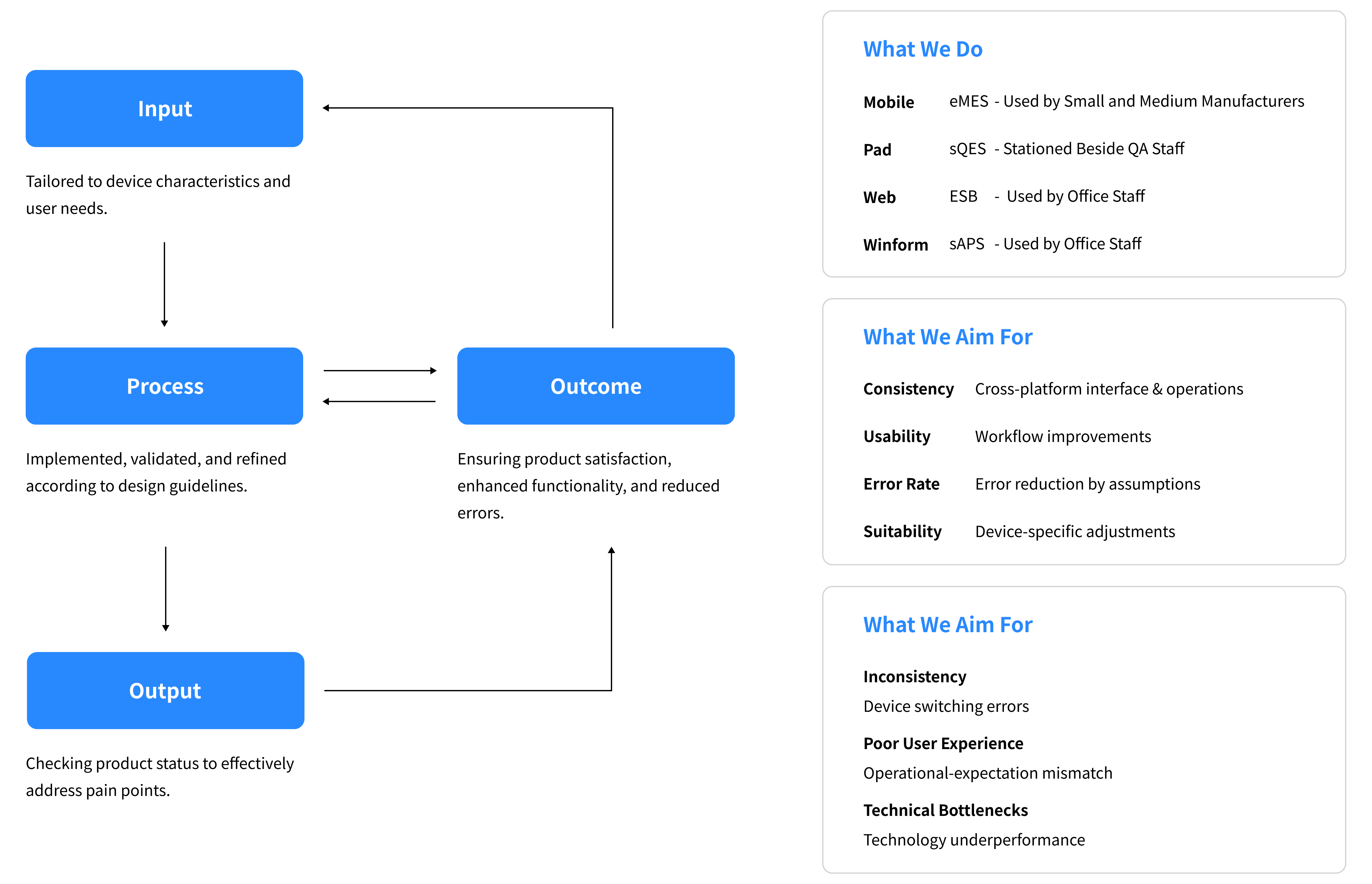
Our user interviews revealed a clear demand: the system must not be a burden. We set a goal “As intuitive as an accountant using a calculator.” To achieve this, we streamlined our design system into four optimized device categories: Mobile, Pad, PC, and Large Displays.
Step 3
System Building
As the primary users of the Design System, SAs, SDs, PRs, and Designers must see a drastic reduction in rework and communication overhead. Through targeted interviews, we identified six core pain points to ensure our "technology" and "consensus" are perfectly aligned.
Step 4
Product Coverage
By the time we reached the step fourth, a significant amount of time had already been invested. Therefore, we needed to quickly conduct pilot tests on selected products to minimize implementation risks, and we prioritized our roll-out to ensure every update delivered maximum strategic value by applying the Impact-Effort Matrix.
What did I do?
0
1
2
3
Developed in Taiwan. Proven Globally. Focused on Industry.
Key focus
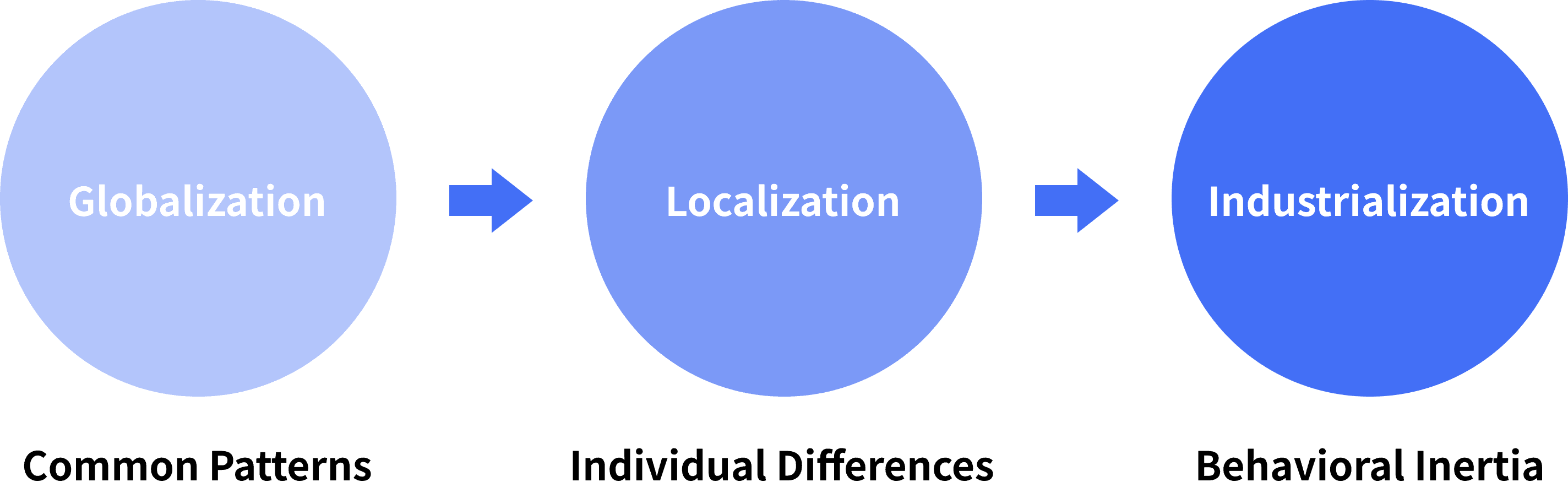
We rapidly built a Globalization design system to establish a universal foundation. We then implemented Localization to find the sweet spot between product and culture, and finally focused on Industrialization to fine-tune according to specific user scenarios.
Key findings from observation.
We synthesized my observations through four strategic lenses: Decomposition, Comparison, Integration, and Omission. This framework provided the clear roadmap for our design system's evolution.
We categorized the gathered insights into four dimensions: Human, Cross-strait Cultural, B2B, and Industry. This funnel approach allowed us to identify universal patterns and regional variances, ultimately defining 15 key strategic frameworks.
Decomposition
Our analysis revealed that while cultural mindsets and workflows drive the critical 'first impression' variance, the core B2B objectives remain consistent, so we prioritized our focus on the "Industry" layer.
Comparison
We found that Learning Patterns, Sense of Control, and Information Density were the most challenging to bridge. However, that by perfecting Notifications, User Onboarding, and Workflow, we can significantly enhance design connectivity.
Integration
Under resource constraints, we prioritized "Efficiency" as our North Star. Most notably Dark Mode, which was trendy but in factory environments, Dark Mode often causes severe screen glare, hindering usability on the floor.
Omission
Key findings from interviews.
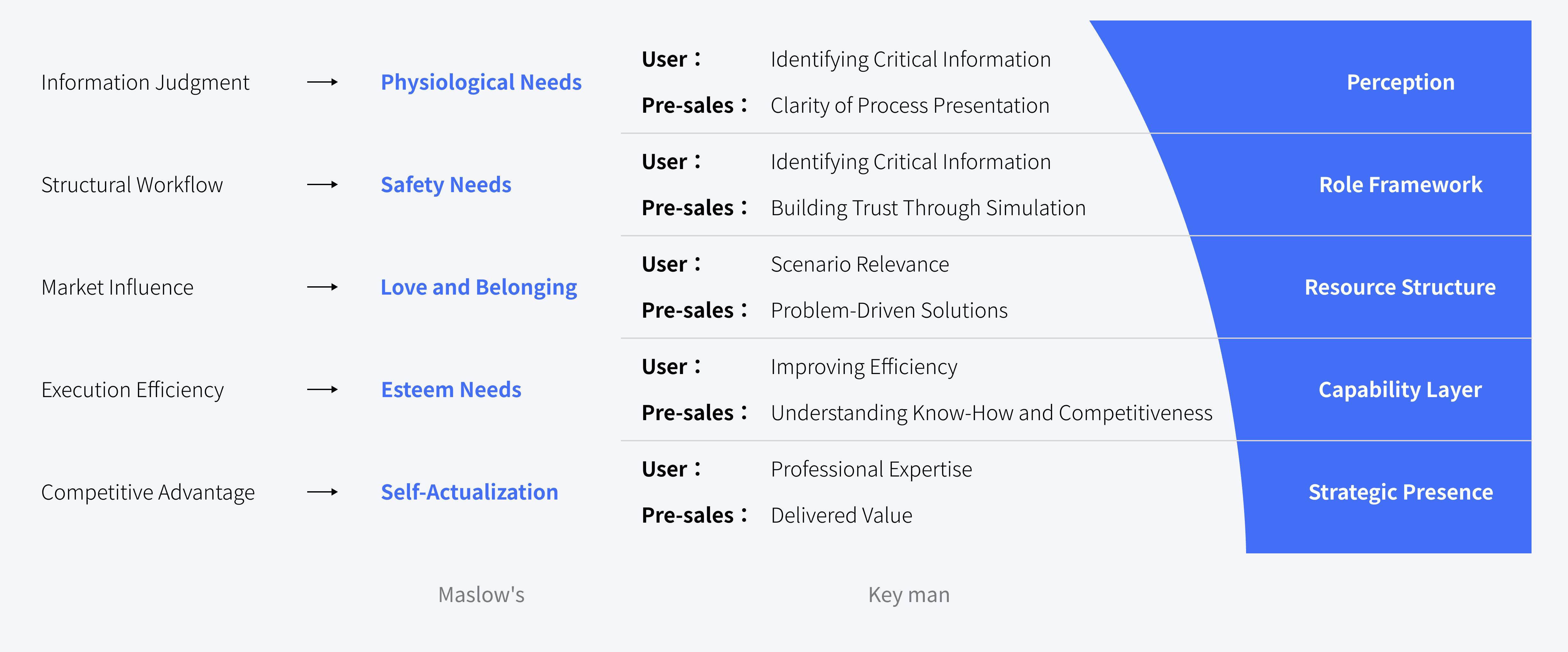
In B2B, solving user pain points is only half the battle. Design must also address Pre-sales bottlenecks. We ensure our output is "Sales-Ready," enabling clients to grasp our platform's value within a single high-stakes meeting.
A Design System Supporting
Four Platforms
Key focus
Unlike generic design systems, we optimized our four-device framework for two distinct efficiency goals: Execution Speed and Observation Speed. Our system ensures that operational tasks are frictionless (Execution) and critical issues are immediately discoverable (Observation) across all industrial scenarios."
The Multi-Device Strategy
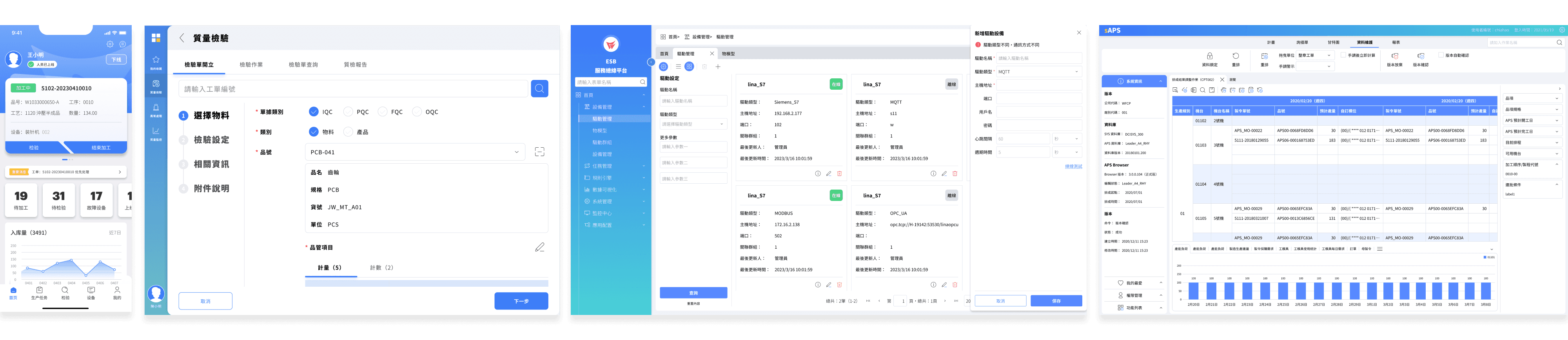
Based on our research, we converged the Design System into four primary device categories. This multi-terminal strategy not only unifies our diverse product lines but also aligns perfectly with real-world user scenarios, ensuring both consistency and deep domain integration.
Easy-to-Use Mobile Devices
We spent a lot of time thinking: how can we make it more convenient than the general design guidelines?
Convenience, in an industrial context, is about error reduction. By implementing larger touch targets and a "one-goal-at-a-time" task flow, we ensure that a diverse workforce can master the system with minimal training.
Information-Rich Fixed Devices
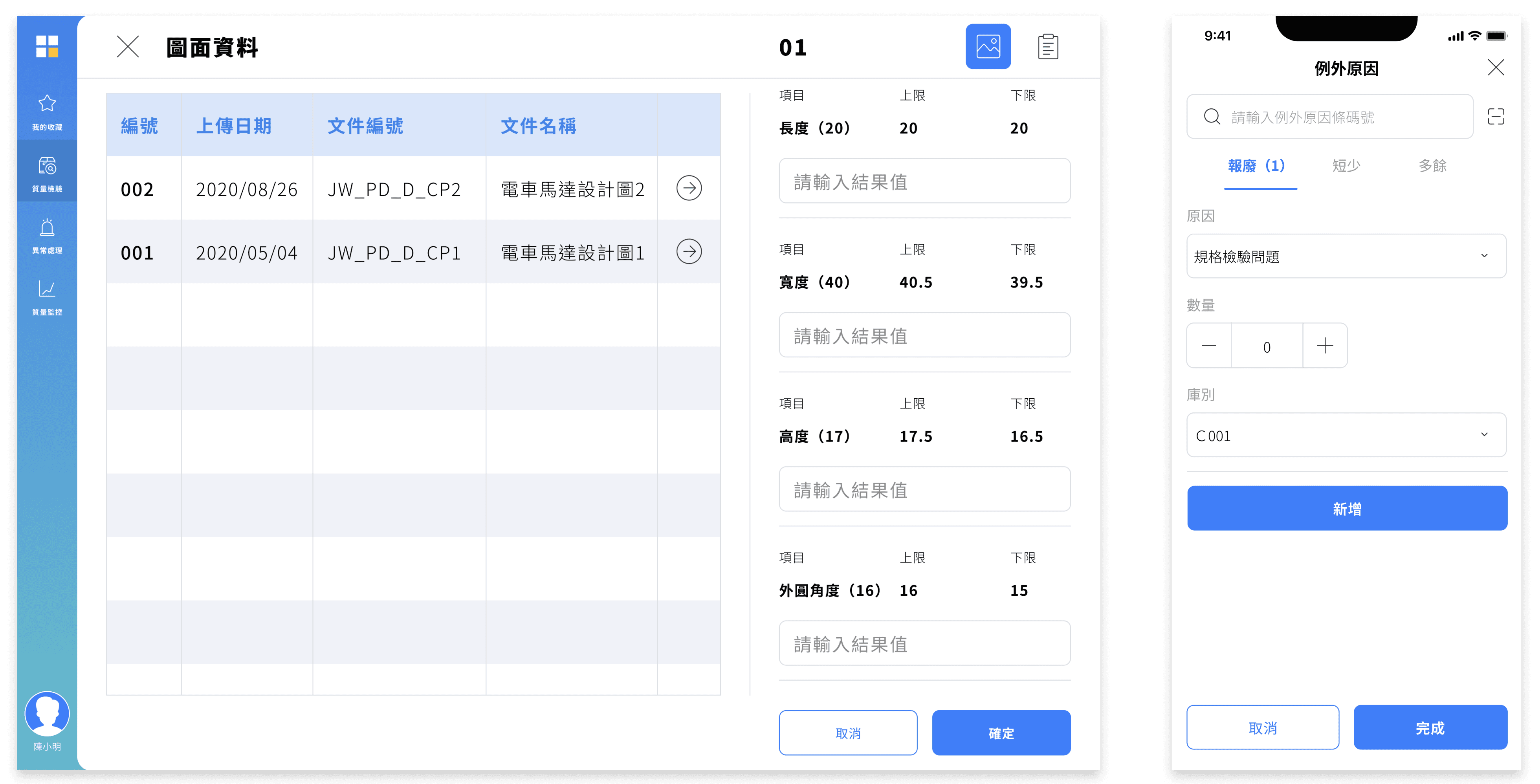
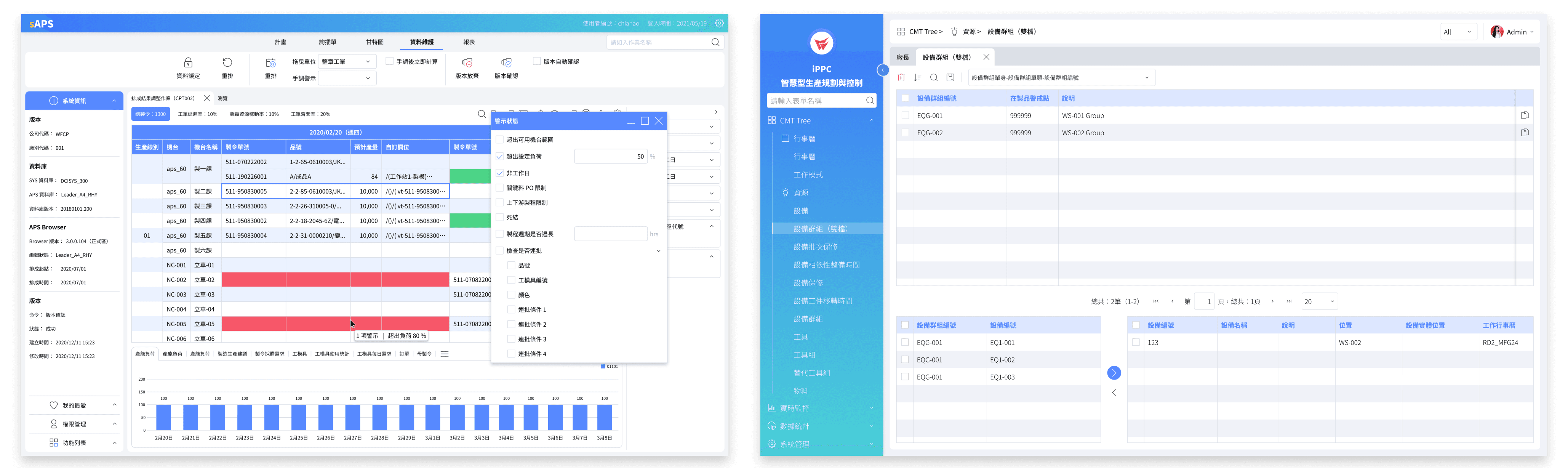
Addressing high Power Distance (PDI) and Masculinity (MAS) cultural traits, we optimized our PC and Large-scale interfaces for total visibility. This empowers back-end analysts to oversee the big picture and command operations with speed and authority.
Outcome Communication
Key focus
No Department Would Easily Give Up Resources for a Redesign.
Beyond creation, the success of a Design System lies in its strategic roll-out. We must address cross-departmental pain points while mitigating implementation risks, ensuring that our deployment roadmap respects current project loads and maximizes organizational buy-in.
Prioritized Validation
We implemented a "Clone Family" architecture, where core design patterns are inherited across products. By testing this framework across four platforms, we mitigated integration risks for our 1-N portfolio.
Sequencing Adjustments
We utilized the Impact-Effort Matrix to categorize components. We identified "Visual Consistency" as a low-effort, high-impact win, while "Experience Logic" was high-effort but high-impact. We balanced these two to achieve maximum results within a tight timeframe.
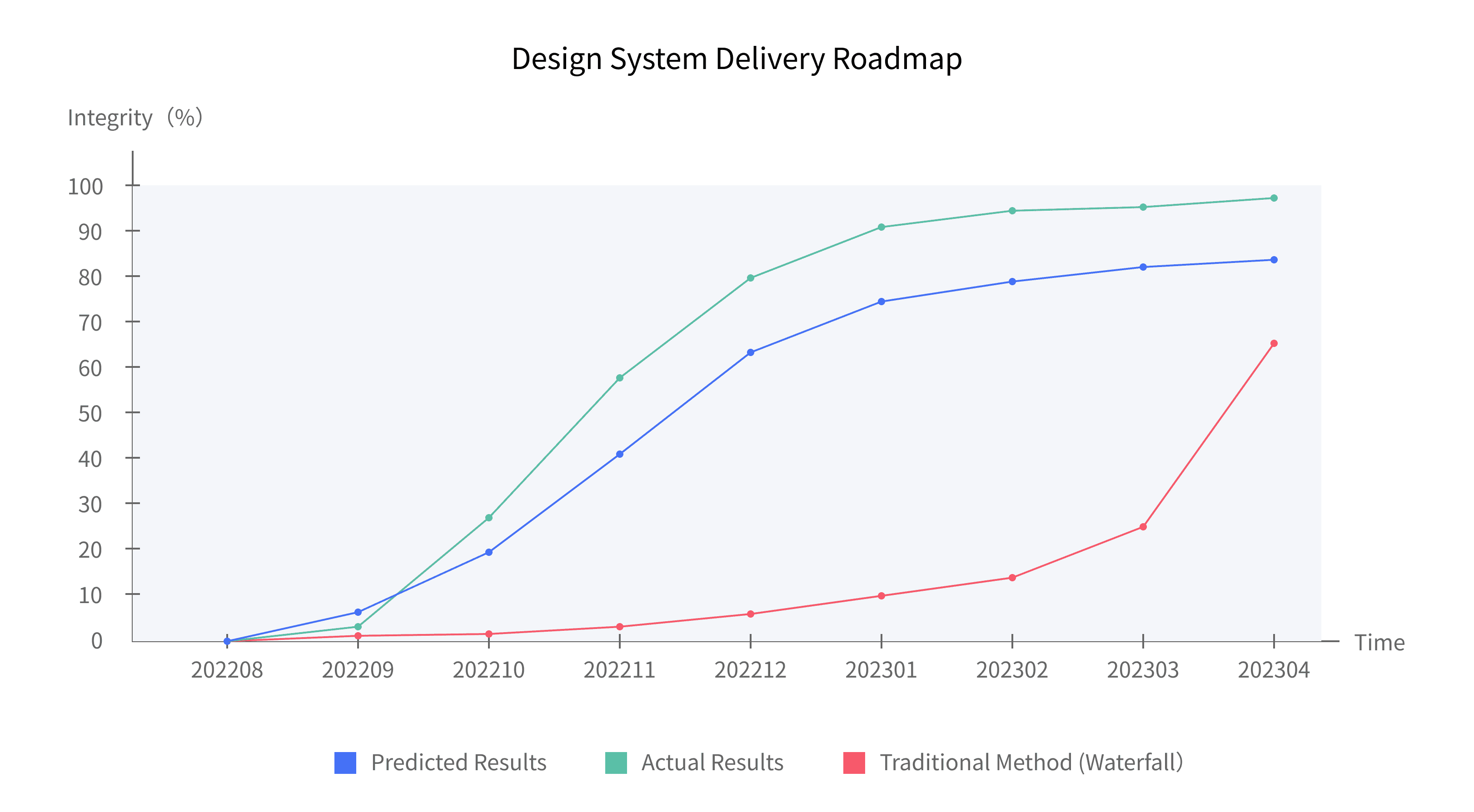
For a new design system, the roll-out process is the defining moment for delivery integrity. It’s not just an announcement; it’s a strategic effort to build 'Trust' and secure long-term buy-in from various product units.
Self-Scheduling
Within our system, we introduced "Playbook." If the design system is a comprehensive dictionary, these guides are the 'Cookbooks'—tailored recipes that allow teams to adapt UI patterns to specific manufacturing scenarios instantly.
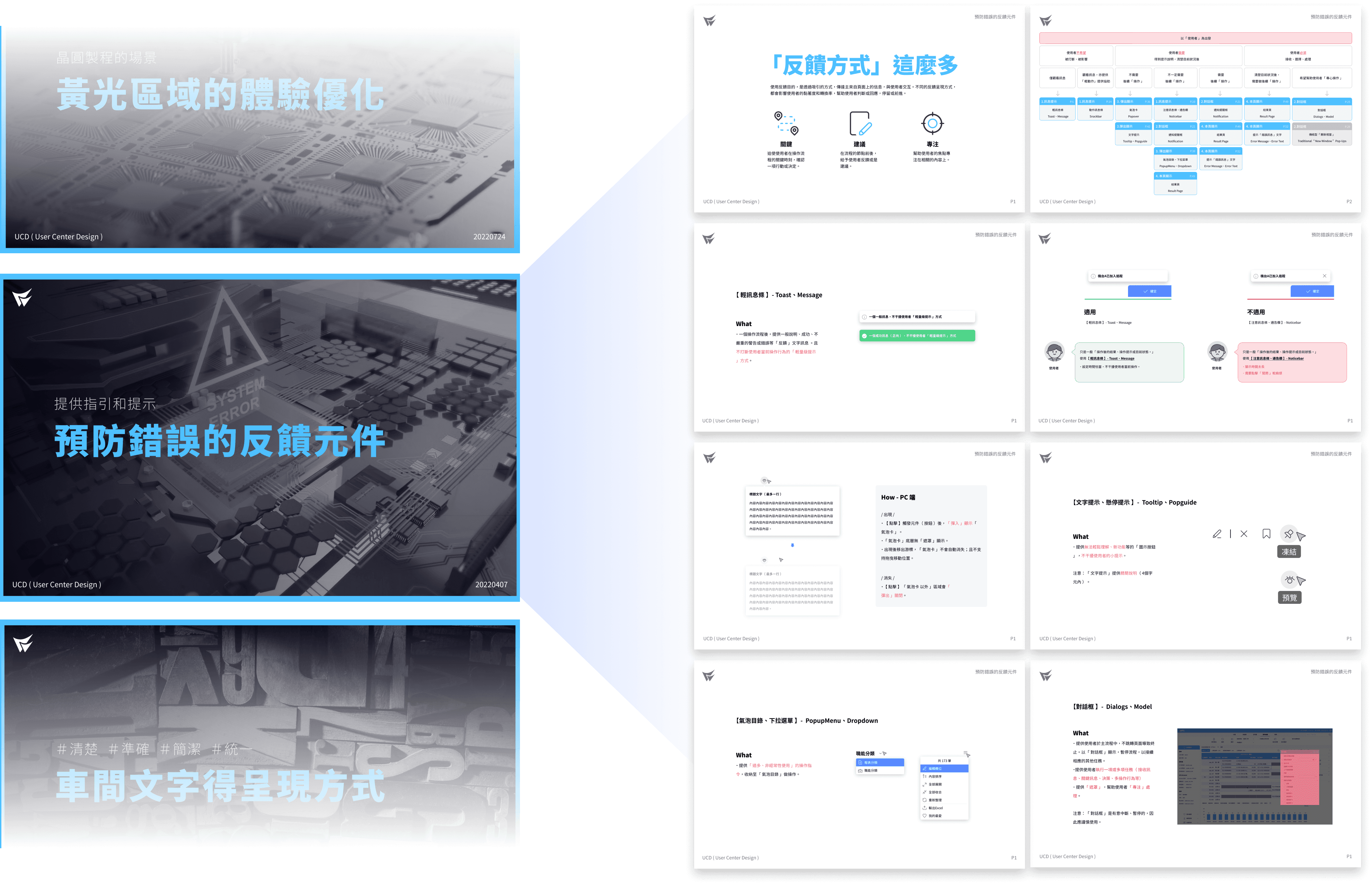
We utilize the Playbook to manage "Domain-Specific" requirements. By separating niche manufacturing patterns from the universal system, we maintain a lean core while offering the agility to adapt to shifting market priorities.
What did I learn?
01
Culture and Usability
In the B2B model, if a design fails to command professional respect or stakeholder buy-in, it will never even reach the end-user. Balancing business objectives with user experience is not just a preference; it’s a prerequisite for market survival.
02
Cross-Department Collaboration
Impacting 10 product units and over 300 users, this initiative was as much about diplomacy as design. In cross-departmental collaborations, stakeholders often prioritize personal interests over facts. Only through persistent communication and strategic negotiation could we effectively drive progress.
03
Delegating Authority
To validate and implement within a tight deadline, radical transparency and mutual trust were our greatest assets. By fostering an environment where every piece of feedback was valued, we achieved a "Consensus-Based Perfection" that resonated across the team.